Time Period: 19th Century

Littleton Owens


Littleton Owens
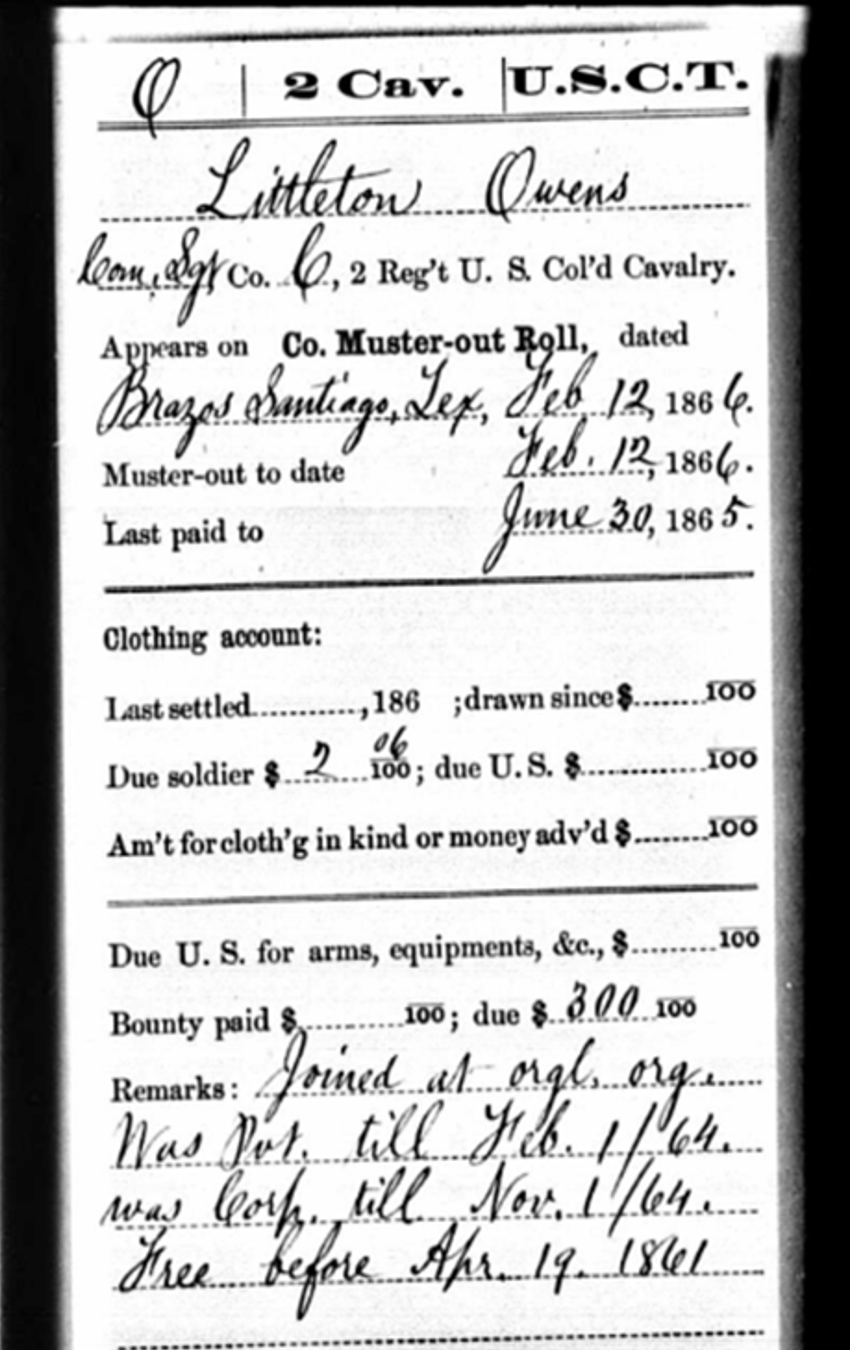
Image Credit: U.S., Colored Troops Military Service Records, 1863-1865 (National Archives and Records Administration)

On January 1, 1864, Littleton Owens enlisted in the Second Regiment of the U.S. Colored Cavalry in Company C at Fort Monroe. Born in Princess Anne County, this 23-year old with “black eyes and black hair” standing 5’ 8” would begin a life-long career in service to his country.

Enlisting as a private, Owens became a corporal just over two months later. He was promoted to sergeant in November 1864 and to commissary sergeant by the summer of 1865. His regiment engaged in reconnaissance and participated in battles and skirmishes primarily around Petersburg and Richmond. Following the war, the regiment was sent to Texas where Owens mustered out in February 1866. Returning to Virginia, Owens bought property and farmed in Princess Anne County.

Owens was hired as a surfman at the Cape Henry Life-Saving Station for two seasons from 1875-1877. The Cape Henry Life-Saving Station, built less than a mile from the Cape Henry Lighthouse, opened in 1874. The surfman working at the station became the area’s first responders for any shipwrecks, groundings, or emergencies at sea. Appointed by Life-Saving Station Keeper Jay D. Edwards (later Principal Keeper at Cape Henry Lighthouse, 1880-1885), Owens and the primarily all-Black crew took over rescue operations after the previous all-white crew was dismissed for insubordination in 1875. Like with many surfmen, Owens’ role was a responsibility he took on in addition to working his farm and serving in local politics.

In 1879, Owens was elected to a two-year term in the Virginia House of Delegates in an election where he defeated the incumbent. In his first term, Owens joined with the new Readjuster Party and introduced two bills that passed: one to punish people who pulled down fences in the country and the other to incorporate Lodge Number One, Love and Charity, in Princess Anne County. Owens won reelection in 1881. In his second term, he introduced a resolution that required the state superintendent of public instruction to report on the pay discrimination of teachers in “white and colored” public schools. He also introduced a bill to create an asylum for “the colored blind, deaf and dumb in the state of Virginia.” The House did not pass either of these bills. Losing by 39 votes, Owens was defeated in 1883 in a run for his third term.

At the same time, Owens served as Acting 1st Assistant for a month at the Cape Henry Lighthouse under Keeper Jay D. Edwards, the same man who appointed him as surfman just a few years prior. At the end of the month, Owens was reassigned Acting 2nd Assistant, a role he held from November 1880 until his resignation in November 1881.

Owens’ legacy teaches us that a life dedicated to service can encompass many roles: you can advocate for change in local government, provide aid to those in peril, and keep a lighthouse shining bright; all simultaneously.

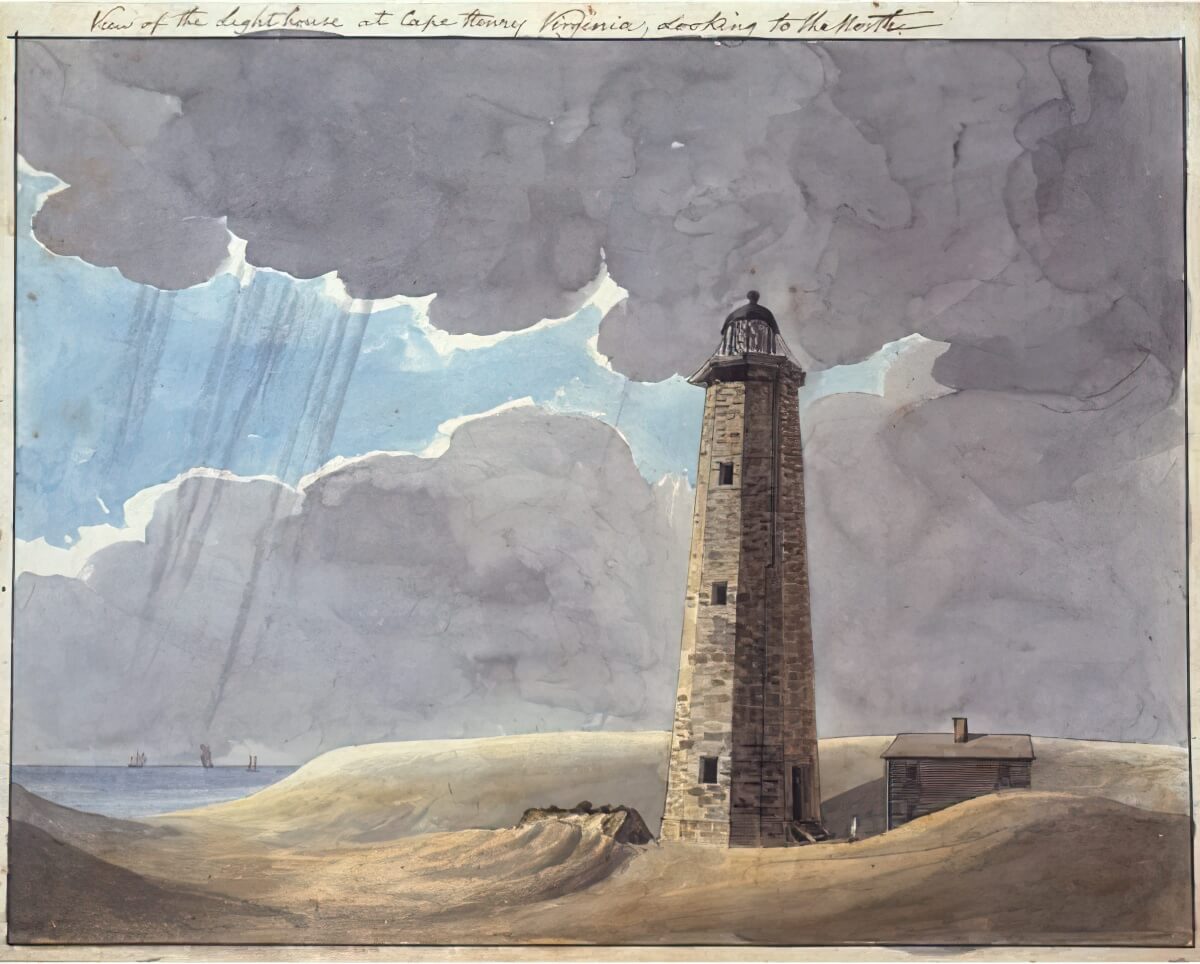
Cape Henry Lighthouse

Willis Augustus Hodges: Cape Henry Lighthouse’s First African American Lighthouse Keeper

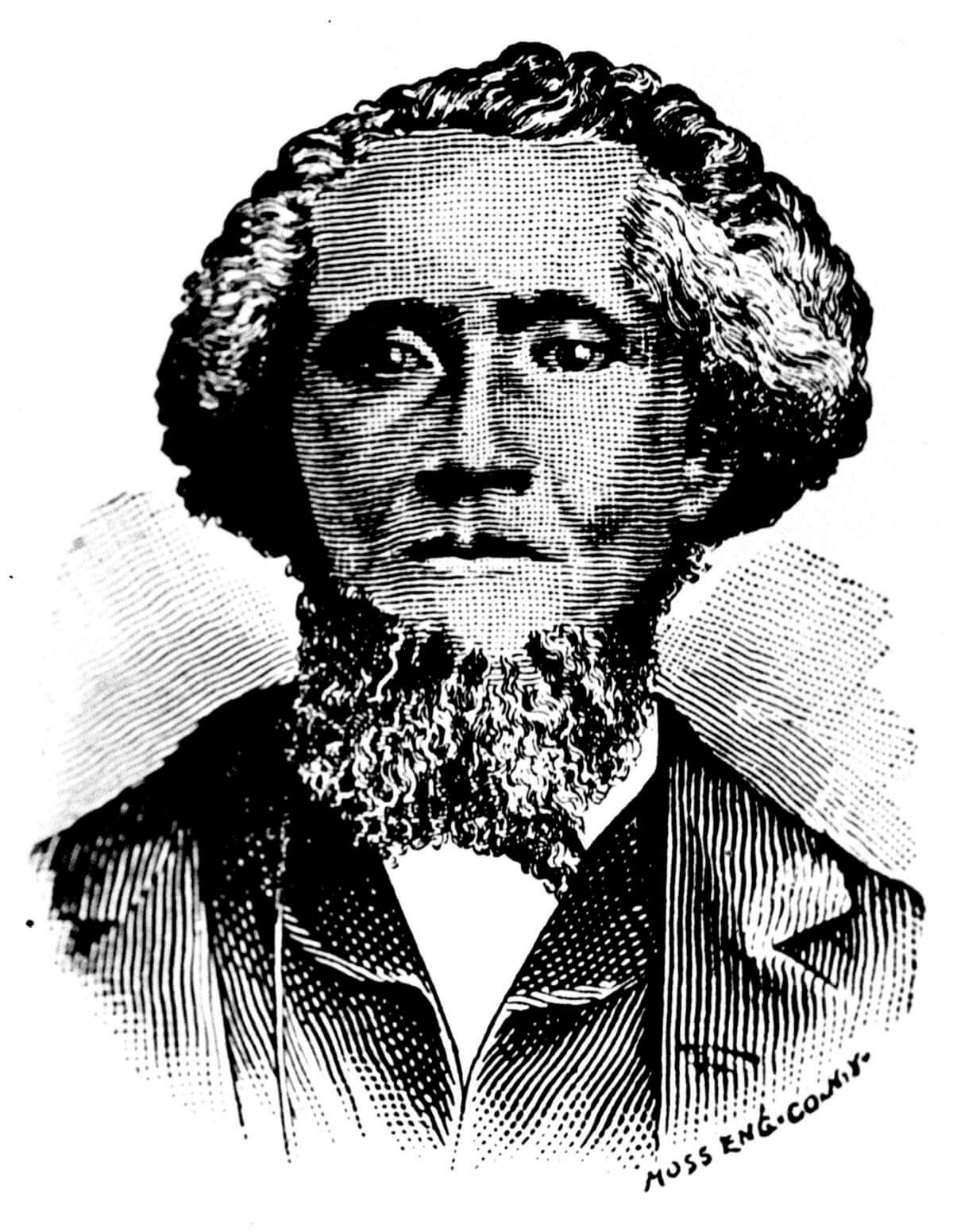
Willis Augustus Hodges served as the first African American lighthouse keeper at the Cape Henry Lighthouse from May 10 to July 26, 1870.

Willis Augustus Hodges: Cape Henry Lighthouse’s First African American Lighthouse Keeper

Hodges was born in Blackwater, Virginia, modern-day Virginia Beach, on February 12, 1815. He was born a free black man to a family of well-off farmers. During this time, black children’s freedom depended on the status of their mothers. Hodges’ father bought his freedom by working on a farm for three years; however, his mother was already free due to her mother being white.

He and his family were native to Virginia, but would move back and forth between Virginia and New York because of the persecution many black people faced in the south, especially after the Nat Turner Rebellion in 1831. After the Rebellion, white people in Virginia accused the Hodges and other black families of potentially conspiring to attack them. Armed guards were kept in all public places and every intersection in Virginia, and mobs arrested black people and stole their family possessions. It also forced free blacks to prove their freedom or be sold into slavery. Many black families, including the Hodges family, moved to Canada or Free states in the north. Despite all this, Hodges was quoted saying, “With all thy faults, I still love thee,” about Virginia.

Cape Henry Lighthouse

Although education for children of color during this time was illegal, Hodges received a few months of schooling and used the Bible to teach himself how to read and write. Hodges believed that children of color should be literate and would eventually set up a free school for black children. Hodges’ interest in bettering the lives of black people did not stop at education.

The Hodges family was one of the most political families in Princess Anne County. Hodges was an advocate for abolition, voting rights, integration of schools and property rights. He would start a town, Blacksville, in New York and used his home there as a stop on the Underground Railroad. He was also a minister and heavily involved in politics, running for office and creating his own newspaper, The Ram’s Horn. Known as “Specs,” for his large, metal-framed glasses, he spent time spying for the Union during the Civil War. In 1867, he represented Princess Anne County in Richmond at the Virginia Constitutional Convention during Reconstruction.

Cape Henry Lighthouse

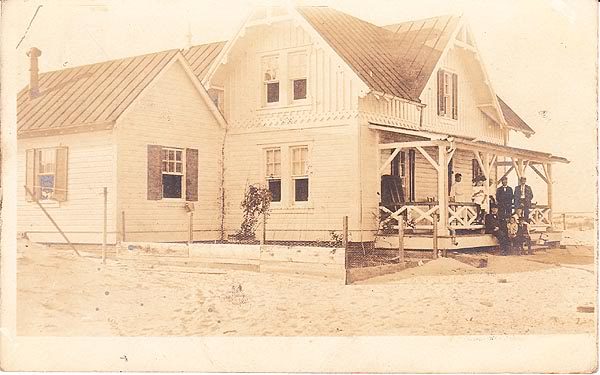
In 1870, Hodges was appointed night inspector of Old Point Comfort because of his loyalties to the Republican Party. Lighthouse keeper positions were federal jobs during this time administered by the United States Lighthouse Service. This lighthouse experience would pave the way for his future position as head keeper at the Cape Henry Lighthouse in 1870. Hodges would have lived at Cape Henry in the keeper’s quarters with the three assistant keepers stationed at the lighthouse.

Lighthouse keepers had a difficult job. It was their responsibility to clean the tower daily and to make sure that not only was the light in their tower working, but also the lighthouses around them. They would inspect the lens each day, polish it, and clean the glass in the lantern room to guarantee a ship could see the beacon for safe navigation in the Chesapeake Bay. Keepers rotated shifts day and night to make sure Cape Henry Lighthouse was always illuminated.

Hodges wrote an autobiography to give insight into the life of a free black man in Virginia during the 19th century. He wanted to give a narrative to free black people who were also suffering and oppressed. Throughout his autobiography, his struggles and oppression unite him with the rest of southern black people who were “a bond of brethren presented as one man of sorrow.”

Hodges wrote at the end of his autobiography in 1878:

We may not live to view the promised land of freedom and justice; we may die in the wilderness of slavery and injustice, just like the older heads of our children of Israel, but our children or children’s children will possess the land, if God is God and a just God.

Hodges died September 24, 1890 at 75 years old and is buried in New York.

John Hardy, Carter Hardy, Robertson Simmons, and Bolling Morris

1913 Map of Gray’s Creek Farm, Courtesy Surry County Clerk’s Office

Just 20 years after the end of slavery, four Black men, John Hardy, Carter Hardy, Robertson Simmons and Bolling Morris, purchased the 521 acre Gray’s Creek Farm (today known as Smith’s Fort), for $2,500 (around $88,000 in 2025). This farm included woodlands, farming fields, an orchard, a 1765 brick manor house, and the archaeological remains of John Smith’s 1609 retreat fort.

The Hardy and Morris families were connected through marriage; Bolling Morris married Ella Hardy, Carter Hardy’s sister and the daughter of John Hardy. By 1914 the Bolling Morris family was the sole owner of the property.

By 1928 Bolling Morris was under financial duress. He was pressured by several people into selling the property to the Williamsburg Holding Company, who later transferred ownership to the Association for the Preservation of Virginia Antiquities (APVA, now Preservation Virginia). It is important to acknowledge the role that the APVA played in shaping the racist dynamics of Black land ownership and dispossession. We are now committed to rectifying the past prioritization of white and colonial narratives at this site, which now highlights the important significance of its 19th and 20th century Black land ownership.

Secret Link